View the full teaching philosophy statement
My approach to teaching runs parallel to my professional practice and research work centered around my commitment to participatory design, interdisciplinarity, and inclusivity. Teaching both fundamental and advanced levels, I include a holistic perspective on the fundamentals of creating a better understanding of visual encoding principles, visual grammar, cognitive processing as it relates to visual processing and retention, visual ergonomics and universal design principles, ethical issues in representation and access, and historical contexts to develop students’ dexterity, not just using digital tools and technologies, but to encourage design thinkers and innovators in the field.
Selected student work
Information Design
The undergraduate course includes a mix of levels, from sophomores to seniors. Projects address issues in public-facing communication, including medicine packaging, bilingual risk communication, and wayfinding (maps) for a global audience. Course objectives include a comprehensive introduction to semiotics and icon design, wayfinding behavior, inclusive and universal design principles, semantics and the Plain Language movement in legislation, and instructional design. Student work from this course has been published twice in an academic and international peer-reviewed journal, The Information Design Journal (2011 and 2017).
View more student work from Information Design

Above: Final student crit on medicine packaging

Above: Students walking up a second-story building to drop their final disaster kits.
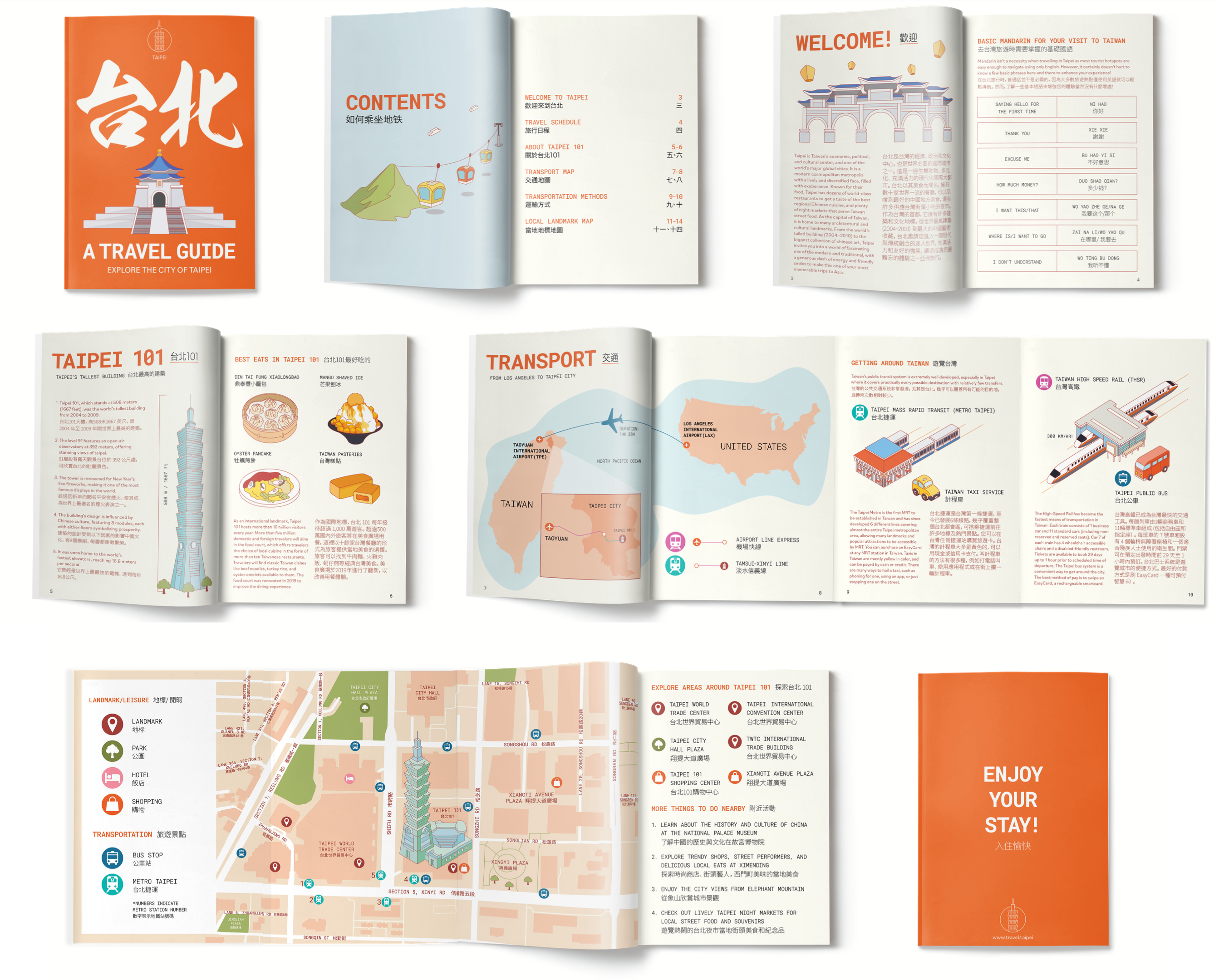
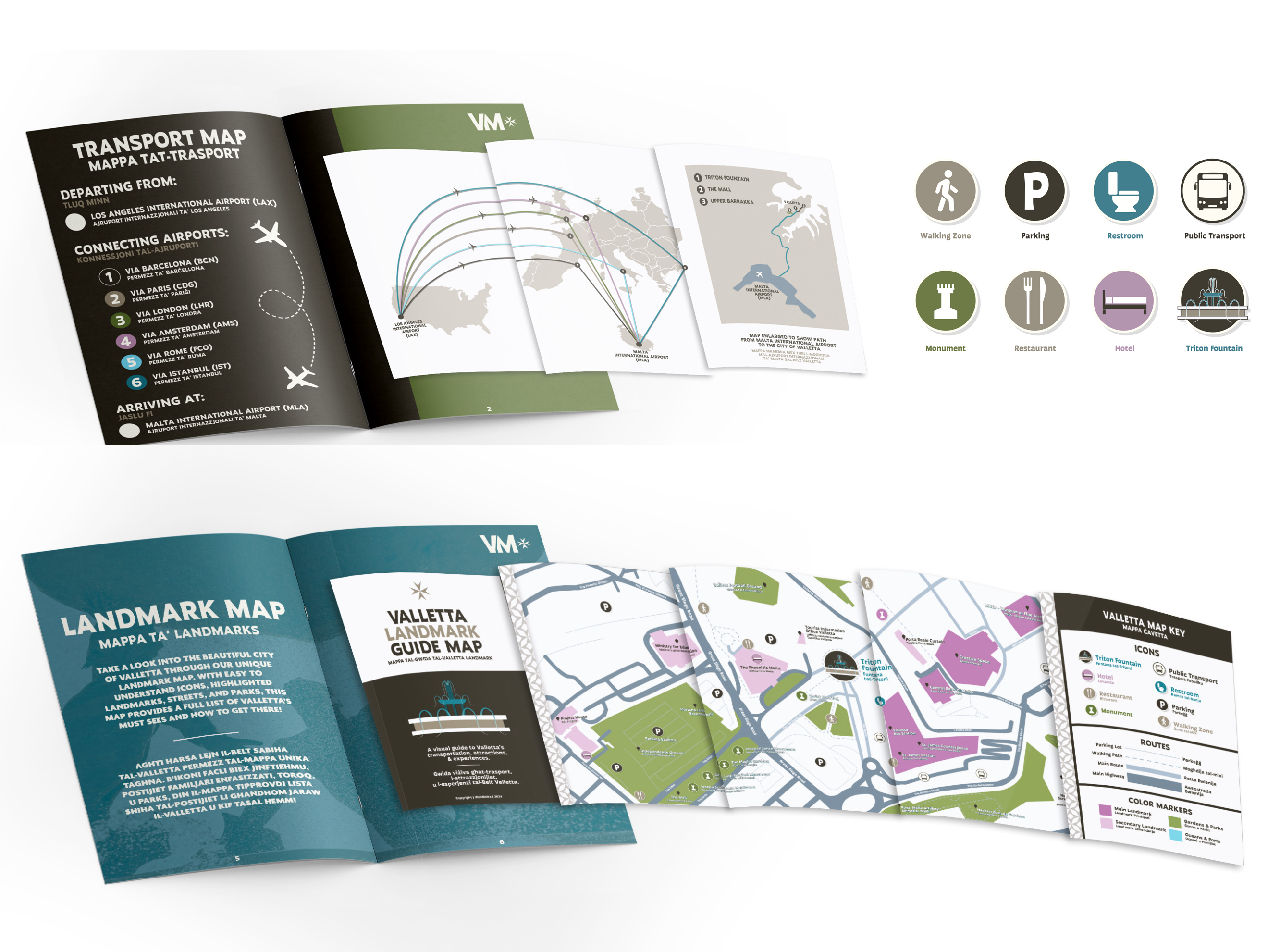
Wayshowing—Home and Away
In this project, students created a printed wayfinding guide from “home” to an international city of their choice. This travel companion included icons, maps, and instructions for public transportation, information on travel, and wayfinding to landmarks of interest. Topics on inclusion, equity, and accessibility were discussed, and two languages were required for the final deliverable—English and the language of the destination.


Type Design
Responding to mental health and COVID-19
Independent Study Capstone Projects
Defining the Asian American Experience: The Search for Collective and Connective Culture
This installation featured the voices of 25 Asian Americans, taking you on a journey of their reflections and your own on what it means to be an Asian American. Each tapestry reflects an aspect of the Asian American experience that was discussed; while they may stand alone, together, they tell an even greater story of our experience. A note on intersectionality and respect: As a project highlighting the shared differences and similarities amongst different identities, this is a welcome space for everyone to learn, and all answers must be honored with the understanding that these are shared truths about everyone’s lives.

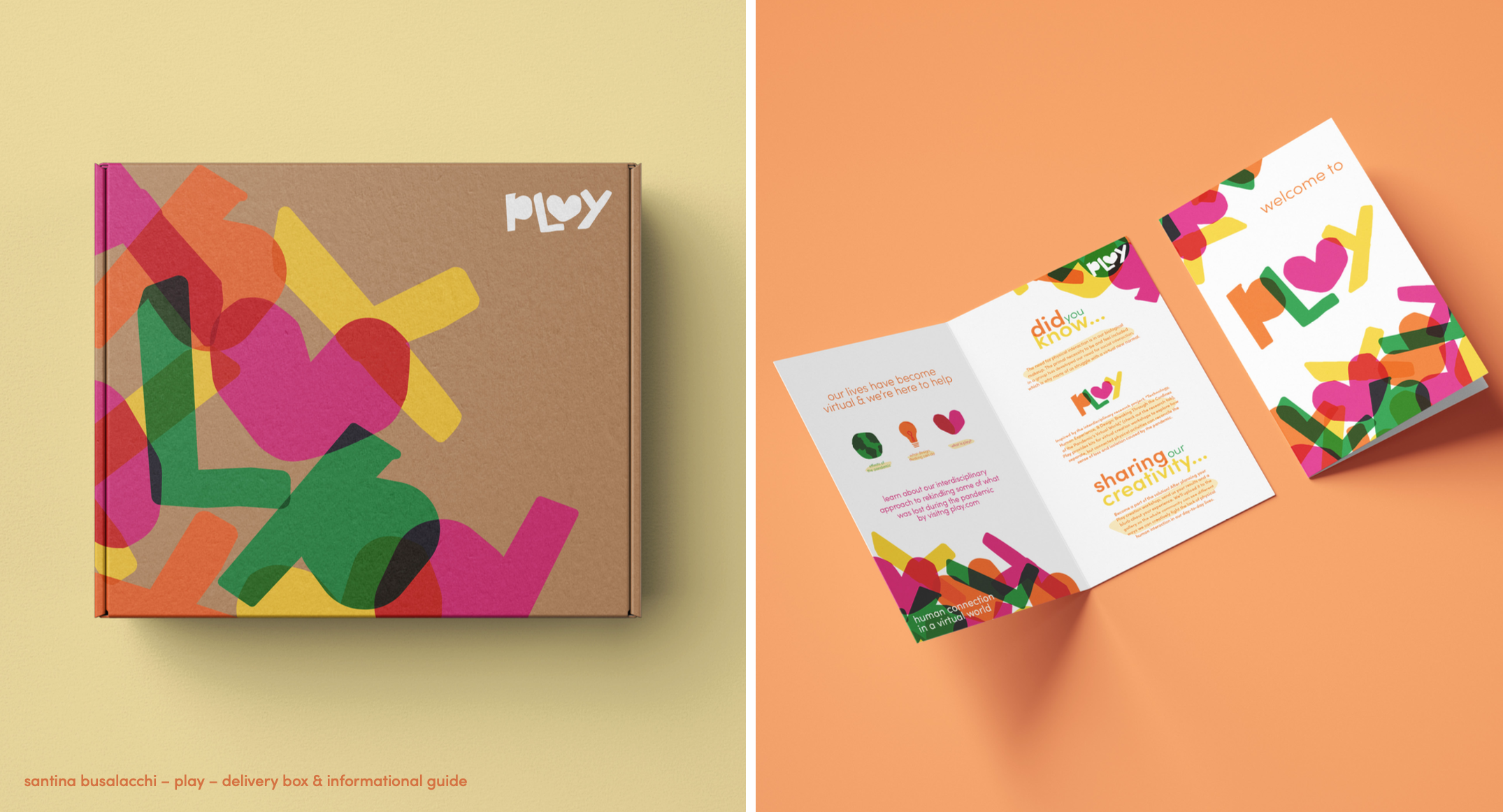
Technology, Human Experience, and Design: Breaking Down
the Perceived Confines of the Pandemic’s Virtual World


 JaenichenDesign